







Start with the job, not the machine
On a Malaysian site, the conversation about working at height usually starts with “can we get a lift by Monday?” and only later turns to what kind. That order causes trouble. A machine that is perfect for changing warehouse lights can be useless for reaching over a canopy to fix signage, and a boom that reaches everything may not fit through the loading bay door. Picking the right platform means describing the work first: how high, how far out, indoors or outdoors, on what kind of floor, and with how many people and tools in the basket.
The broad family name for these machines is the aerial work platform, or AWP. In Europe the same thing is called a mobile elevating work platform, or MEWP. Under that umbrella sit three types that cover most jobs in Malaysia: scissor lifts, boom lifts and vertical mast lifts. For a plain-language introduction to the category itself, this note on mobile aerial work platform basics is a reasonable starting point.
How the industry groups these machines
The International Powered Access Federation sorts platforms by how they move. Group A machines keep the platform within the base footprint, which covers scissor lifts and vertical mast lifts. Group B machines can swing the platform out beyond the base, which is what booms do. IPAF operator training uses categories such as 3a for mobile vertical machines and 3b for mobile booms, and many Malaysian contractors now ask for those cards on site.
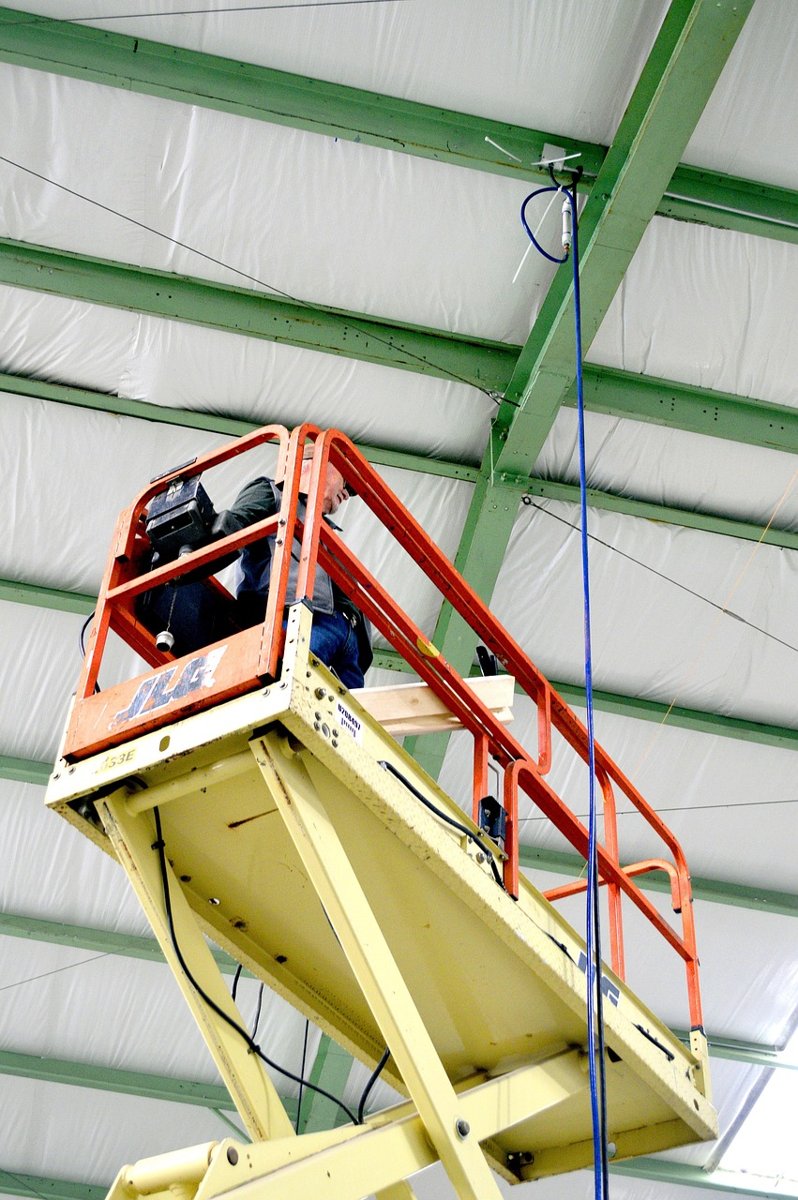
Scissor lifts are the workhorses of fit-out and maintenance. They offer a wide deck, carry two or three people with materials, and rise vertically. If you want to see how one changed the pace of a local operation, there is a scissor lift story from a Malaysian site on this blog.
One thing to check with any scissor lift is the floor. Slab capacity, ramps, expansion joints and cable trenches all matter, especially in older factories around Shah Alam and Klang where floors have been patched over the years. Rough terrain scissors exist for outdoor work, but they are wider and heavier, so measure doorways before you book one.
Booms for reach around and over obstacles
When the work point is not directly above solid ground, a boom lift is usually the answer. Telescopic booms extend in a straight line and give the greatest horizontal reach, which suits facades, steel erection and tall structures set back behind landscaping. Articulating booms have one or more knuckles, so they can go up, over and then down into a space, for example over a row of pipes or a mezzanine edge.
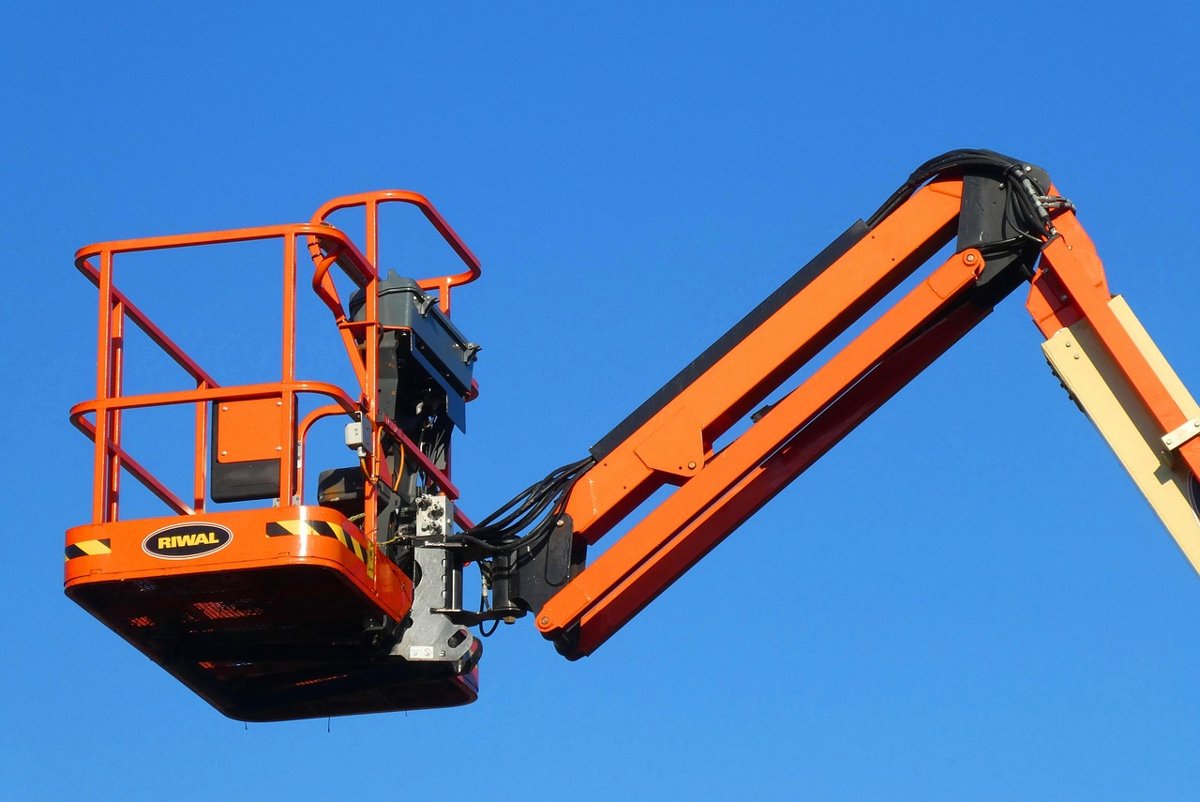
Booms are heavier and need firmer ground than people expect. Outdoor jobs in Malaysia often mean soft verges after rain, so check ground bearing and use outrigger pads or plates where required. If you are comparing telescopic and articulating boom options for a rental, give the supplier the working height, outreach and site photos rather than just a number in metres.
From the access industry federation: matching platform type to the task in front of you.
Vertical mast lifts for tight indoor work
Vertical mast lifts, also sold as man lifts or personnel lifts, are the narrowest option. Most carry one person, fit through a standard doorway, and are light enough for finished floors in malls, offices and hospitals. They suit jobs like changing ceiling fittings, cabling or stock picking at moderate heights, where a scissor lift would be too wide and a ladder too risky. Uptop’s vertical lift page gives a sense of the size range, from push-around units to self-propelled models.
Training, ground checks and a rescue plan
Whatever the machine, the risks are similar: falls from the basket, tip-overs, crushing against overhead structures, and contact with power lines. The US safety regulator’s aerial lift fact sheet is a concise checklist that applies anywhere. In Malaysia, the Occupational Safety and Health Act places the duty on employers to provide safe plant and trained operators, and DOSH enforces it.
Before the next job, write a one page plan: the task, the platform type, the ground conditions, who is trained, and how you would bring someone down if the machine stalled at height. That last line is the one most sites skip.